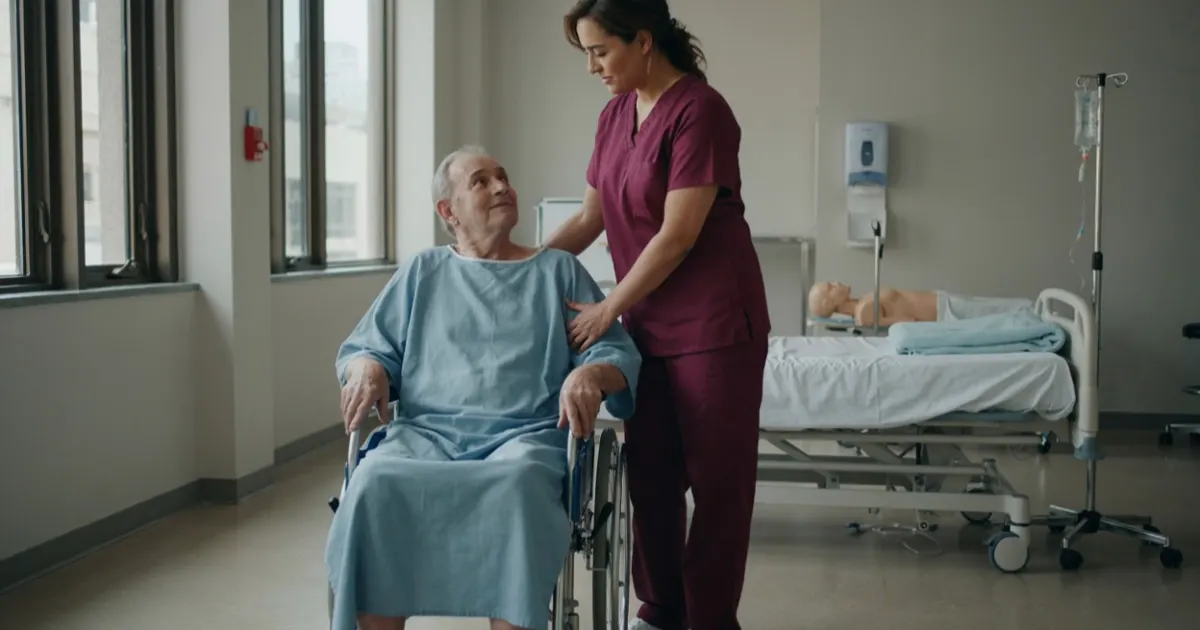
Career Training Path › CNA classes
CNA classes
If you finish a CNA program and work as a nursing assistant, expect to start around $33,940–$37,260 a year and reach the trade's median of $42,260 with experience; the top quarter earn $47,220 or more (U.S. Bureau of Labor Statistics, May 2025). There are 510 accredited campuses offering it; their graduates' actual first-year median, counting every graduate whatever job they took, was $22,196, with median debt of $9,500.
What you'd earn working as a nursing assistant
Annual wages for the 1,448,910 people employed as nursing assistants nationally — U.S. Bureau of Labor Statistics, Occupational Employment and Wage Statistics, May 2025. This is the figure to plan around if you intend to work in the trade.
How pay grows in this trade
Getting in: A state-approved course (usually 75–180 hours) and the state competency exam to be listed on the nurse aide registry.
- Hospitals typically pay more than nursing homes; night and weekend differentials matter at this pay level.
- Medication aide (CMA/MA-C) and patient care technician certifications add pay.
- Most CNAs who advance do so by bridging to LPN or RN programs, often with employer tuition support.
Typical time to mid-career pay: 2–3, or bridge to LPN/RN years. Licensing and apprenticeship rules vary by state and employer — verify with your state board before enrolling.
What graduates of these programs actually earned
Federal College Scorecard medians for every federally aided graduate of these programs, whatever job they took after finishing — including part-time work, apprentice wages and work outside the trade. That is why they sit below the trade's wage ladder above. Use them to compare schools against each other, not to judge what the career pays.
Find cna programs by state
62 campuses · $30,219 yr-1 pay Illinois
43 campuses · $29,088 yr-1 pay California
35 campuses · $32,369 yr-1 pay Ohio
32 campuses · $34,978 yr-1 pay Washington
31 campuses · $41,859 yr-1 pay Oklahoma
26 campuses · $35,244 yr-1 pay Kansas
24 campuses · $35,237 yr-1 pay Georgia
23 campuses · $34,892 yr-1 pay Arkansas
21 campuses · $30,718 yr-1 pay Colorado
20 campuses · $28,737 yr-1 pay North Carolina
20 campuses · $39,766 yr-1 pay Texas
18 campuses · $33,863 yr-1 pay Arizona
16 campuses · $25,047 yr-1 pay Minnesota
16 campuses · $39,708 yr-1 pay Wisconsin
16 campuses · $23,615 yr-1 pay Michigan
15 campuses · $33,514 yr-1 pay Louisiana
12 campuses · $35,116 yr-1 pay Utah
12 campuses · $18,386 yr-1 pay New Mexico
11 campuses · $22,132 yr-1 pay Tennessee
9 campuses · $38,213 yr-1 pay Mississippi
8 campuses · $30,297 yr-1 pay Iowa
7 campuses · $38,985 yr-1 pay New Jersey
7 campuses · $46,660 yr-1 pay New York
5 campuses · $20,635 yr-1 pay South Carolina
5 campuses · $38,706 yr-1 pay Kentucky
4 campuses · $37,413 yr-1 pay Nevada
4 campuses Pennsylvania
4 campuses Alaska
2 campuses Alabama
2 campuses · $41,466 yr-1 pay Connecticut
2 campuses Delaware
2 campuses · $45,641 yr-1 pay Massachusetts
2 campuses · $53,041 yr-1 pay Missouri
2 campuses · $29,132 yr-1 pay Puerto Rico
2 campuses · $9,487 yr-1 pay Virginia
2 campuses · $39,460 yr-1 pay West Virginia
2 campuses · $17,810 yr-1 pay Micronesia
1 campuses Hawaii
1 campuses Idaho
1 campuses Indiana
1 campuses · $39,302 yr-1 pay Maryland
1 campuses Northern Mariana Islands
1 campuses Montana
1 campuses Nebraska
1 campuses Oregon
1 campuses Wyoming
1 campuses
Where cna graduates earn the most
Median program-level earnings one year after completion, states with 3+ reporting programs. Source: College Scorecard field-of-study data.
Public vs. non-profit vs. for-profit cna schools
| School type | Campuses | Median earnings, yr 1 | Median debt | Avg completion |
|---|---|---|---|---|
| Public | 426 | $25,156 | $5,500 | 51% |
| Private non-profit | 13 | $21,271 | $9,500 | 62% |
| Private for-profit | 71 | $22,132 | $9,500 | 72% |
How to choose a cna program
- Check accreditation first. Every campus listed here is accredited by an agency recognized by the U.S. Department of Education, or awarded federally reported credentials. Each profile names the accreditor and links to the federal record.
- Compare completion, not just tuition. A cheap program that half the class never finishes costs more than it looks. Profiles show each campus's completion rate against its state average.
- Look at earnings a year out, by program. The Scorecard reports median earnings for graduates of this specific program at this specific campus where enough graduates are counted to publish a figure. That is the number to compare, not national averages.
- Ask about federal aid. "Title IV eligible: Yes" means FAFSA, Pell Grants and federal loans apply. Many also accept GI Bill and WIOA funding — ask.
- Verify state licensing where it applies. Trades like cna may need a state license or certification after the program; the school should say which exam its graduates sit.
Earnings are median wages and self-employment income reported to the IRS (W-2 and Schedule SE) for graduates who received federal aid and were working and not enrolled, measured in the calendar year after finishing. They are pay only: health insurance, retirement contributions and other benefits are not included.
"What the trade pays" is the U.S. Bureau of Labor Statistics Occupational Employment and Wage Statistics survey (May 2025): annual wages for everyone employed in the occupation nationally, at the 10th, 25th, 50th (median), 75th and 90th percentiles. The 10th–25th percentile band is a fair guide to entry-level pay; the 75th–90th to experienced workers. Program earnings (above) are lower because they count every graduate of the program in their first year, including part-time work, apprentice wages and jobs outside the trade.
Sources: U.S. Department of Education College Scorecard (Integrated Postsecondary Education Data System (IPEDS) 2022-23 Completions survey; College Scorecard June 2026; Database of Accredited Postsecondary Institutions and Programs (DAPIP), September 2026), the Integrated Postsecondary Education Data System (IPEDS) Completions survey, and the Database of Accredited Postsecondary Institutions and Programs (DAPIP). Figures are federal medians and means for campuses in this program group; "not reported" means the federal file withholds the value to protect privacy when too few graduates are counted — never an estimate.